A lot of people think a sewer problem means tearing up the whole yard. In practice, many repairs start with a small camera and end with a short fix. The right approach depends on what the pipe looks like and where the damage sits.
Phasevolunteers Plumbing is a referral service. We do not do the work. We connect Portland homeowners with independent providers in our network who handle sewer line repair, from inspection to lining to full replacement. You can compare estimates at your own pace, ask questions, and decide with no obligation. Our pages explain how wet seasons, roots and windstorms affect your pipes, so you know what you are looking at before anyone shows up.
Sewage Backing Up? Start Here
A lot of people think a backed-up main line will drain away if they give it a day. In practice, waste rising in a tub or floor drain usually means the main line is blocked or broken. It rarely fixes itself.
Stop adding water
Pause the washer, dishwasher and showers. Flush only if you must. Every gallon you add has nowhere to go but back into the house.
Keep people and pets clear
Sewage carries germs. Keep kids and pets out of wet areas. Wear gloves and boots if you have to step in, and stay away from standing water near outlets or cords. Skip drain chemicals too. They seldom help a main line and can splash on whoever works on it next.
Signs Your Sewer Line Is Failing
Myth: one slow drain means a sewer problem. Fact: one slow sink is usually a local clog. A failing main line shows up in more than one place.
Clues inside the house
- Several drains slow down at the same time
- Gurgling toilets after you run the washer
- Water or sewage in the tub or floor drain at the bottom level of the home
- A sewer smell that does not go away
Clues in the yard
Look for a patch of lawn that stays soggy, a strip of extra-green grass, or ground that sinks. In a wet season, plenty of yards are damp. The warning sign is a spot that stays wet well after the rain stops, or one that smells.
What Damages Sewer Lines
Roots looking for water
Roots do not break healthy pipes on purpose. They slip into tiny cracks and joints, then grow. Steady rain and damp soil keep them active most of the year.
Age and old materials
Older craftsman houses may have clay or cast iron pipe that has cracked, flaked or shifted. Newer townhomes can have shared or tightly routed lines where one problem affects neighbors.
Storms, wind and saturated soil
Windstorms can topple trees, and a lifted root ball can drag a pipe with it. Weeks of rain also soften soil, which lets pipes settle and sag.
Crawl space sag
Pipes under a wood-frame home can sag between supports. Low spots collect waste and invite repeat blockages.
How Sewer Problems Are Diagnosed
Myth: the first step is digging. Fact: most providers start by looking inside the pipe.
Camera inspection
A small camera runs through the line and shows cracks, roots, gaps and sags. Ask to see the footage or a screenshot. It is your pipe, and you can look too.
Finding the exact spot
A locator tool can mark the break above ground. That helps keep any digging small and lets you compare estimates for the same problem.
Sewer Line Repair Options
There is no single right answer. The right fit depends on pipe condition, depth, landscaping and budget.
Spot repair
If only one section is damaged, a provider may dig and replace just that piece.
Trenchless lining
A resin liner is cured inside the old pipe, forming a new pipe within it. It can mean far less digging, but it needs a pipe that is still mostly intact.
Pipe bursting
A new pipe is pulled through as the old one is broken apart. It works for some collapsed lines and needs small access pits.
Full replacement
When a pipe is badly collapsed or sagging, open-trench replacement may make the most sense.
Timing the Work with the Seasons
Myth: you must wait for dry weather. Fact: many repairs go ahead in the rain, though wet ground can change the plan.
Rain-season ready
Saturated soil makes trenches harder to hold open and yards muddier. Trenchless methods can help here. Providers may also suggest a camera check in early fall, before the heavy rain and windstorms arrive.
Permits and Property Lines
Most city sewer work needs a permit, and providers in our network usually handle the paperwork. Ask who pulls it and who pays the fee.
You are generally responsible for the pipe on your property. Many places also assign you the section out to the street, or to the main. Check your local rules and ask the provider where the line changes hands.
Compare, Then Decide
No pressure is needed here. Get a written quote, read it, and ask questions. Some policies may cover sudden damage, so check your policy, and providers can often help document damage for a claim.
Questions to ask the plumber
- What did the camera show, and can I see it?
- Which repair do you suggest, and why?
- Is there a less costly or less invasive option that still fits?
- Who handles permits and inspections?
- What happens to my lawn, driveway or crawl space?
- Is the quote written, with the full scope listed?
If a quote feels rushed, slow down. A clear provider is happy to explain.
What's Included
Camera Inspection
A small camera shows what is happening inside the pipe before any digging is planned.
Root Removal
Providers can cut or clear roots from the line, then advise on longer-term options.
Trenchless Options
Lining and pipe bursting can repair some lines with less digging in your yard.
Full Replacement
Badly collapsed or sagging pipe may need an open trench and new pipe from end to end.
Typical Sewer Repair Cost Ranges
Sewer work varies a lot with depth, length, soil and access. These are typical U.S. ranges only. Your own price may differ, so ask for a written quote and compare more than one.
| Item | Typical range | Notes |
|---|---|---|
| Camera inspection | $100 – $500 | Often worth doing first |
| Spot repair of one section | $1,000 – $4,000 | Depends on depth and access |
| Trenchless pipe lining | $3,000 – $12,000 | Priced by length and diameter |
| Pipe bursting | $2,500 – $10,000 | Needs small access pits |
| Full open-trench replacement | $3,000 – $25,000 | Yard and driveway work may add cost |
| Cleanout installation | $500 – $2,500 | Gives easier future access |
How It Works
Tell us the problem
Request a callback to check provider availability, or use the request form to describe what you are seeing at home.
Get matched locally
A provider in our network reviews your request and reaches out to talk through next steps.
Compare written estimates
Look at scope, method and price side by side, and ask any questions you have.
Decide on your terms
Pick the provider and repair that fit your home and budget, or take more time.
Why Call Phasevolunteers Plumbing
Clear Myth, Then Fact
Plain answers that separate common sewer myths from what usually happens in real homes.
Season Aware
Guidance that ties timing to rain, wet soil and windstorms, so you plan around real conditions.
Independent Providers
You are connected with local providers in our network who do the work and give their own quotes.
No Pressure
Compare estimates at your pace. The final decision stays with you, with no obligation.
Other Services
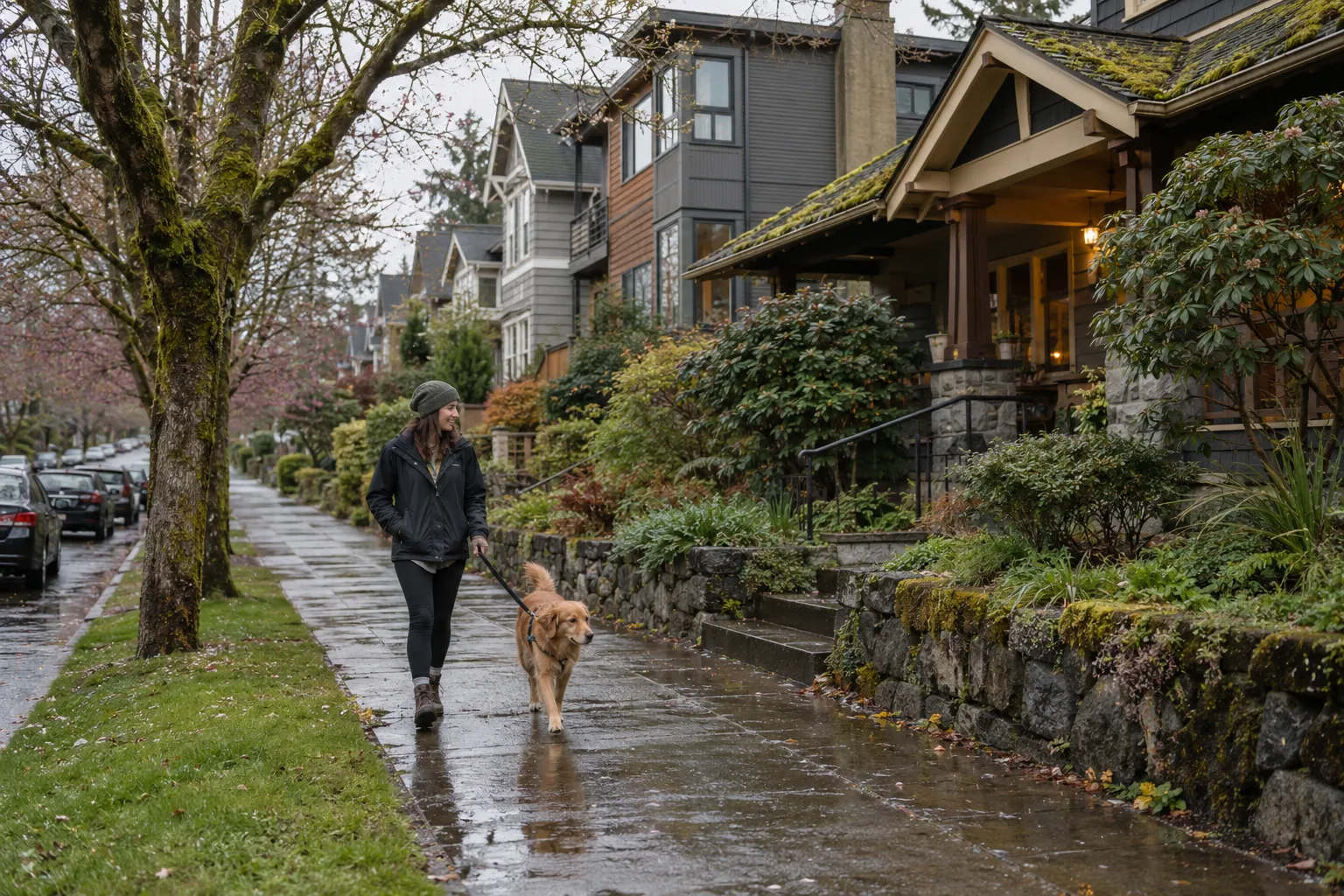
Need sewer line repair in Portland?
Have a leak, a clog or a sewer smell? Send a request through the form or email contact@phasevolunteers.living, and a local provider in our network can follow up.
No obligationSewer Line Repair FAQ
How do I know if my sewer line is broken?
Look for several slow drains at once, gurgling toilets, sewage smells, or sewage in the drain at the bottom level of your home. Soggy or sinking yard spots are another clue. A camera inspection by a provider can confirm what is actually wrong.
Can a sewer line be repaired without digging up my yard?
Sometimes. Trenchless lining and pipe bursting need only small access points, but they do not suit every pipe. A camera inspection shows whether your line is a good candidate, and providers can explain your options.
Does homeowners insurance cover sewer line repair?
It depends on your policy. Some policies may cover sudden damage, while wear, age and roots are often excluded. Check your policy, and providers can often help document damage for a claim.
Reach a local provider
Have a leak, a clog or a sewer smell? Send a request through the form or email contact@phasevolunteers.living, and a local provider in our network can follow up.
No obligation